2026-11-12 · Robert Ellis
Recognizing Early Signs Of Water Damage In Older Chesapeake Homes
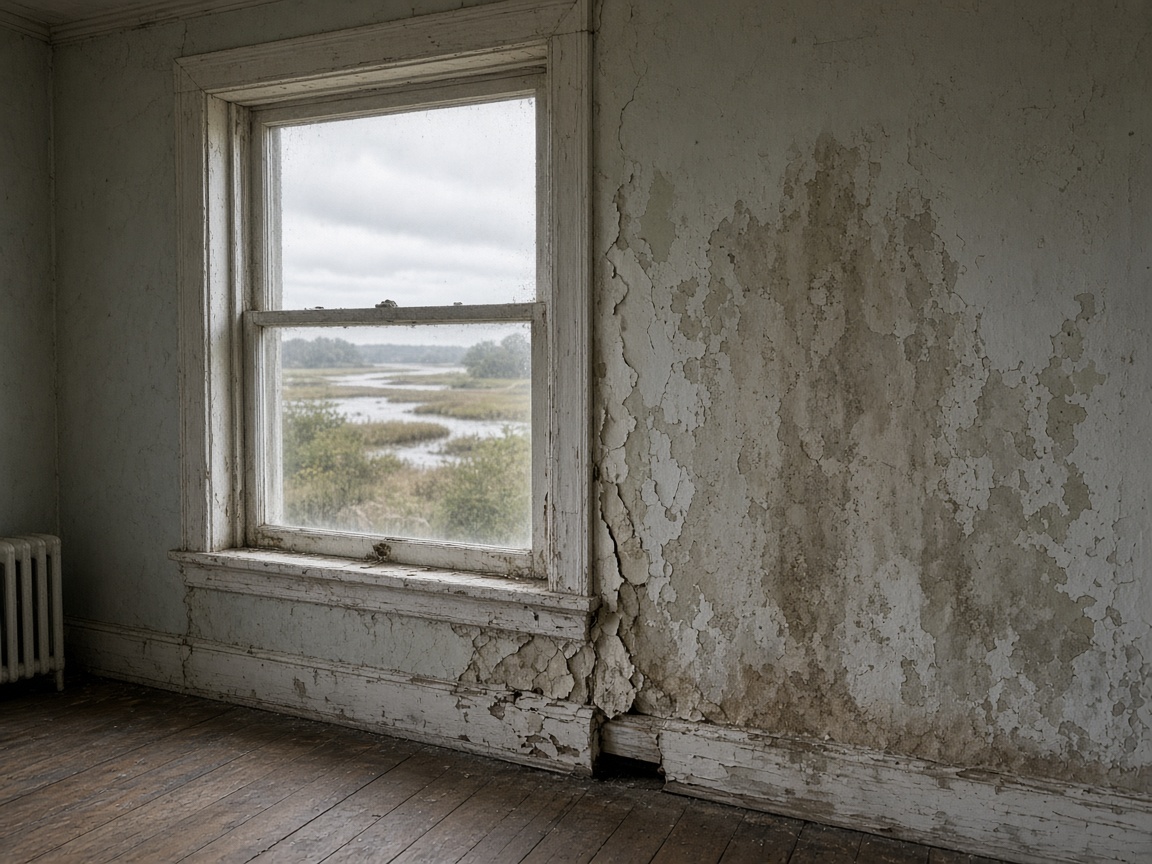
Older Chesapeake homes often reveal water damage first through musty odors near foundations or faint stains on ceilings, especially in pre-1980 builds common in Great Bridge and Deep Creek where older plumbing meets the region's low-lying terrain.
Foundation Cracks and Basement Moisture
Chesapeake's humid subtropical climate with hot humid summers drives repeated moisture cycles that stress older concrete foundations in Great Bridge and Western Branch. Homes here often sit on clay-heavy soils that expand and contract, creating hairline cracks where water seeps during heavy rains. In South Norfolk properties from the 1950s and 1960s, these cracks frequently appear along the north-facing walls because prevailing winds push moisture that direction. Check for white efflorescence powder along the base of walls, a sign of repeated water movement through masonry. Early detection here matters because untreated seepage travels upward into floor joists within one or two seasons. Homeowners in Greenbrier report similar patterns after summer thunderstorms saturate the ground for days. Water Damage Repair addresses these foundation issues directly when caught before structural wood softens.
Ceiling and Wall Stains from Roof and Pipe Leaks
Many older homes near Chesapeake City Park and the Dismal Swamp Canal still use original galvanized pipes that corrode after decades of exposure to the area's high groundwater. Leaks often show first as yellow-brown rings on second-floor ceilings or along kitchen walls in Great Bridge two-story houses. Hot humid summers accelerate condensation on cold pipes in unconditioned attics, dripping onto insulation and creating hidden wet spots that later appear as sagging drywall. In Deep Creek neighborhoods, roof leaks around chimneys worsen during summer downpours because older asphalt shingles lose granules faster in intense heat. Walk through each room after a storm and note any new discoloration within 48 hours. These stains indicate water has already reached wood framing, shortening its lifespan if left alone. Water Damage Restoration handles the drying and material replacement needed once stains expand beyond a few inches.
Musty Odors and Early Mold in Crawl Spaces
Crawl spaces in Chesapeake homes built before widespread vapor barrier use trap humidity year-round, especially in Greenbrier and South Norfolk where the water table sits close to the surface. A persistent earthy smell near floor registers signals standing water or saturated insulation beneath the home. During humid summers, temperatures above 85 degrees push moisture upward through floorboards, creating conditions for mold colonies within 72 hours on organic materials. Older homes in Western Branch often lack proper grading around the perimeter, allowing rainwater to pool against the foundation for days. Homeowners can inspect by shining a flashlight into vents and looking for dark patches on joists or soil that stays damp longer than surrounding ground. Addressing this early avoids the need for full subfloor replacement later. See our guide on How To Dry Out A Flooded Basement After Heavy Rains In Chesapeake for practical steps tailored to local conditions.
Warped Flooring and Soft Spots Near Plumbing
Hardwood and vinyl floors in older Chesapeake homes soften first around bathrooms and laundry areas where original supply lines have aged. In Great Bridge properties, these soft spots often develop within 10–15 feet of the main water line because the pipes run under slab sections with minimal slope for drainage. Press down with your heel near toilets and tubs; any give or a spongy feel indicates water has reached the subfloor. Humid summers compound the problem by slowing natural drying, allowing rot to advance into adjacent joists. South Norfolk homes from the mid-century frequently show cupping along baseboards after pipe failures because the narrow lots limit airflow under the structure. Track any changes after seasonal maintenance to prevent escalation. Water Damage Cleanup removes affected materials before odors spread to living spaces.
When to Call Local Experts
If stains grow larger than a quarter or odors persist after opening windows for several days, contact a team familiar with Chesapeake's specific soil and weather patterns. Our crew operates from 1501 Technology Dr Ste 102, Chesapeake, VA 23320, United States during Mon–Fri 8am–6pm and Sat 9am–2pm to assess older homes in nearby Virginia Beach and Norfolk as well. Early intervention in neighborhoods like Deep Creek keeps repairs contained to the original leak source rather than requiring full room rebuilds.